



Epilepsy

About Epilepsy
What is Epilepsy?
Epilepsy is a neurological disorder characterized by recurrent seizures. These seizures are caused by excessive electrical activity in the brain, leading to temporary disruption of normal brain function.
Symptoms of Epilepsy
- Seizures, which can vary widely in duration and severity
- Temporary confusion
- Uncontrollable jerking movements of the arms and legs
- Loss of consciousness or awareness
- Psychic symptoms, such as déjà vu or fear
Types of Epilepsy
- Generalized Seizures: Affecting both sides of the brain, these seizures can cause muscle rigidity, convulsions, and loss of consciousness.
- Partial (Focal) Seizures: Originating in a specific area of the brain, these seizures may cause unusual sensations, involuntary movements, or altered consciousness.
Treatments for Epilepsy
- Medications: Anti-epileptic drugs can help control seizures in many patients.
- Surgery: For some individuals, surgery to remove the area of the brain generating the seizures may be an option.
- Vagus Nerve Stimulation (VNS): This involves implanting a device that sends regular, mild pulses of electrical energy to the brain.
- Ketogenic Diet: A high-fat, low-carbohydrate diet that may help control seizures in some people.
When to See a Doctor
It is crucial to seek medical attention if you or a loved one experiences:
- A first seizure
- A seizure that lasts longer than 5 minutes
- Breathing difficulty after a seizure
- A high fever or heat exhaustion
- A second seizure occurring immediately after the first
Contact Us
For a comprehensive evaluation and personalized treatment plan, reach out to our clinic today. Our team of experienced neurologists and epileptologists is dedicated to providing exceptional care and support for individuals with epilepsy.
Explore other Treatments
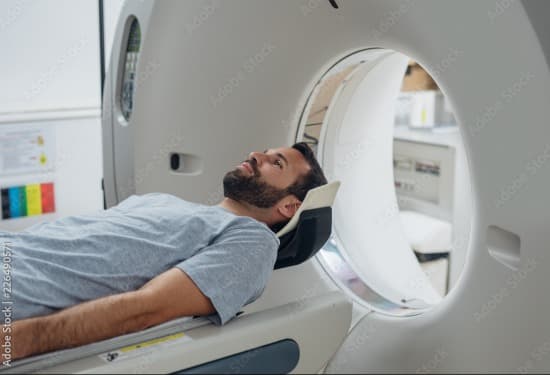
CT Scans
A CT scan, or computed tomography scan, is a diagnostic imaging procedure that utilizes X-rays to create detailed cross-sectional images of the body.

Epilepsy
Epilepsy is a neurological disorder characterized by recurrent seizures. These seizures are caused by excessive electrical activity in the brain, leading to temporary disruption of normal brain function.

Paralysis
Paralysis is a loss of muscle function in part of your body. It can be localized to a specific area or widespread, affecting larger regions or even the whole body.

Stroke
A stroke, sometimes referred to as a "brain attack," occurs when there is a disruption in blood flow to the brain.

Parkinson's
Parkinson's disease is a progressive neurological disorder that affects movement.

EEG (Electroencephalogram)
An Electroencephalogram, commonly known as EEG, is a non-invasive diagnostic test that measures and records the electrical activity of the brain.

PET (Positron Emission Tomography) Scan
Positron Emission Tomography, commonly known as PET scan, is a sophisticated imaging technique that enables healthcare professionals to observe the metabolic activity within the body.
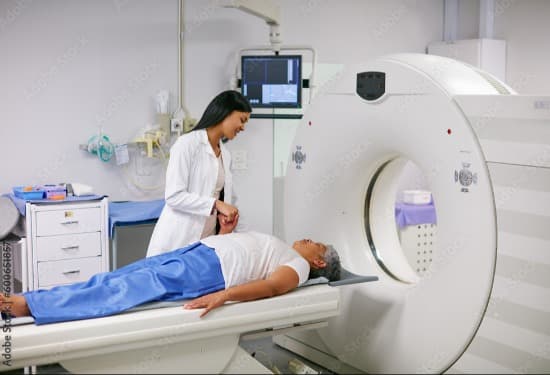
MRI (Magnetic Resonance Imaging)
Magnetic Resonance Imaging, or MRI, is a cutting-edge diagnostic imaging technique that utilizes strong magnetic fields and radio waves to create detailed, high-resolution images of the internal structures of the body.
See More