



Paralysis

About Paralysis
What is Paralysis?
Paralysis is a loss of muscle function in part of your body. It can be localized to a specific area or widespread, affecting larger regions or even the whole body. Paralysis is often caused by damage to the nervous system, preventing messages from the brain to reach the muscles.
Symptoms of Paralysis
- Loss of sensation
- Inability to move limbs
- Muscle stiffness or weakness
- Difficulty speaking or swallowing
- Bowel and bladder control issues
Types of Paralysis
- Monoplegia: Paralysis of a single limb.
- Hemiplegia: Paralysis on one side of the body.
- Paraplegia: Paralysis from the waist down.
- Quadriplegia: Paralysis from the neck down.
Treatments for Paralysis
- Physical Therapy: Rehabilitation exercises can help improve muscle strength and range of motion.
- Occupational Therapy: Focuses on relearning daily tasks for increased independence.
- Assistive Devices: Wheelchairs, orthotic devices, and mobility aids can enhance quality of life.
- Medications: Pain management and muscle relaxants may be prescribed to alleviate symptoms.
- Surgery: In some cases, surgery can help treat the underlying cause of paralysis, such as spinal cord injuries.
When to See a Doctor
If you or a loved one experience:
- Sudden onset of paralysis
- Loss of bladder or bowel control
- Paralysis following a head or spinal injury
- Numbness or tingling in limbs
- Progressive weakness in muscles
Contact Us
Our clinic is dedicated to helping individuals with paralysis regain independence and improve their quality of life. Reach out to us for personalized treatment plans and expert care tailored to your needs.
Explore other Treatments
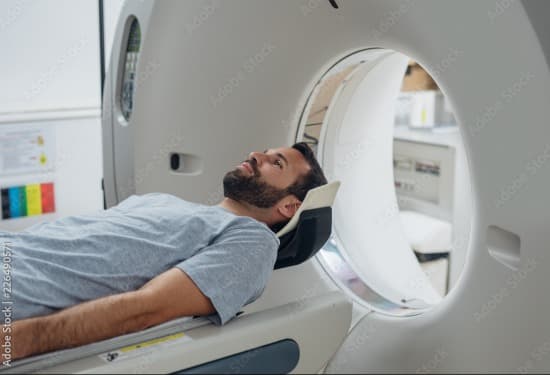
CT Scans
A CT scan, or computed tomography scan, is a diagnostic imaging procedure that utilizes X-rays to create detailed cross-sectional images of the body.

Epilepsy
Epilepsy is a neurological disorder characterized by recurrent seizures. These seizures are caused by excessive electrical activity in the brain, leading to temporary disruption of normal brain function.

Paralysis
Paralysis is a loss of muscle function in part of your body. It can be localized to a specific area or widespread, affecting larger regions or even the whole body.

Stroke
A stroke, sometimes referred to as a "brain attack," occurs when there is a disruption in blood flow to the brain.

Parkinson's
Parkinson's disease is a progressive neurological disorder that affects movement.

EEG (Electroencephalogram)
An Electroencephalogram, commonly known as EEG, is a non-invasive diagnostic test that measures and records the electrical activity of the brain.

PET (Positron Emission Tomography) Scan
Positron Emission Tomography, commonly known as PET scan, is a sophisticated imaging technique that enables healthcare professionals to observe the metabolic activity within the body.
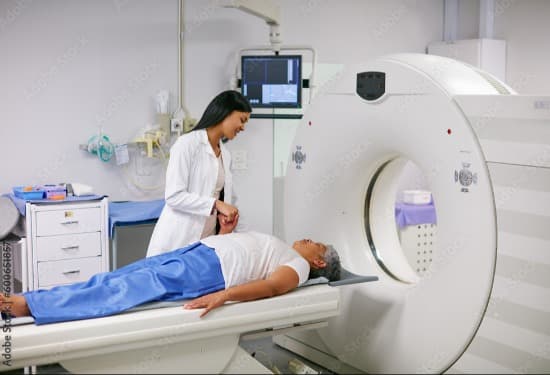
MRI (Magnetic Resonance Imaging)
Magnetic Resonance Imaging, or MRI, is a cutting-edge diagnostic imaging technique that utilizes strong magnetic fields and radio waves to create detailed, high-resolution images of the internal structures of the body.
See More