


MRI (Magnetic Resonance Imaging)

Understanding MRI (Magnetic Resonance Imaging)
Magnetic Resonance Imaging, or MRI, is a cutting-edge diagnostic imaging technique that utilizes strong magnetic fields and radio waves to create detailed, high-resolution images of the internal structures of the body. This non-invasive and painless procedure provides invaluable insights into various medical conditions, aiding in accurate diagnosis and treatment planning.
Indications for MRI
MRI is recommended for a diverse range of medical assessments, including:
- Soft Tissue Evaluation: Offering detailed images of soft tissues such as organs, muscles, and nerves.
- Orthopedic Conditions: Assessing joints, ligaments, and tendons for injuries, inflammation, or degeneration.
- Brain and Spinal Cord Imaging: Diagnosing neurological conditions, tumors, and injuries to the brain and spinal cord.
- Cardiac Assessments: Visualizing the heart and blood vessels for conditions like heart disease or congenital abnormalities.
- Abdominal and Pelvic Studies: Examining abdominal organs and pelvic structures for various medical concerns.
The MRI Procedure
- Preparation: Minimal preparation is required for most MRI scans. Patients may be asked to remove metal objects and inform the technologist of any metallic implants or devices.
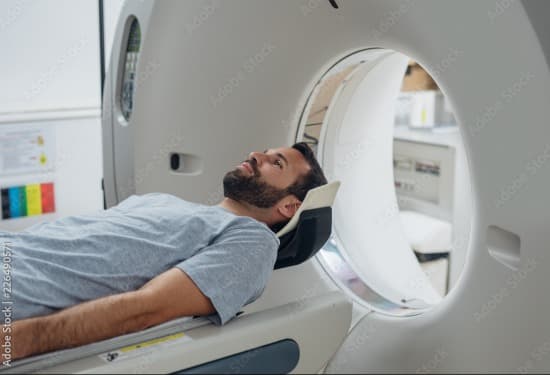
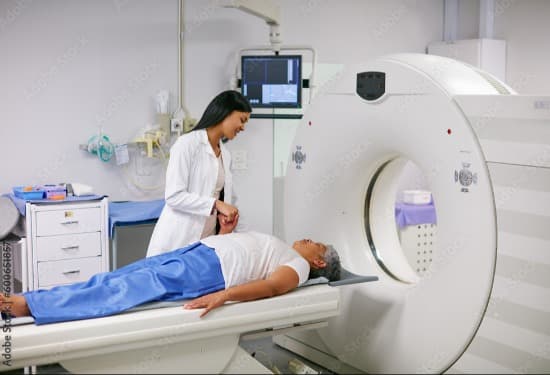
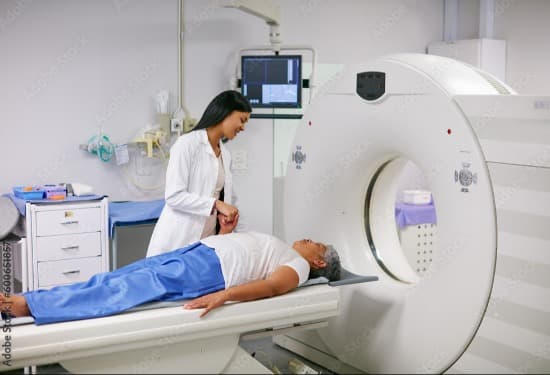
- Positioning: Patients are comfortably positioned on a specialized table, which then moves into the MRI scanner. It's crucial to remain still during the imaging process to ensure clear and accurate results.
- Scanning Process: The MRI machine generates a powerful magnetic field and radio waves to produce detailed cross-sectional images of the targeted area. The procedure is quiet, and patients may be provided with ear protection.
- Data Analysis: Skilled radiologists interpret the obtained images, identifying abnormalities, if any, and providing a comprehensive diagnostic report.
Contraindications
While MRI is considered safe for most individuals, there are some contraindications, including:
- Metal Implants or Devices: Certain metallic implants or devices may interfere with the MRI process.
- Claustrophobia: Inform your healthcare provider if you experience claustrophobia, as accommodations can be made to ensure your comfort during the procedure.
Contact Us
For advanced and comprehensive diagnostic imaging through MRI, Our clinic is your trusted partner. Our team of skilled professionals is dedicated to delivering precise and timely results, ensuring you receive the highest standard of care. Schedule a consultation with us to explore the benefits of MRI in addressing your specific medical needs. Your journey to accurate diagnosis and optimal healthcare begins with us.