



Parkinson's

About Parkinson's
What is Parkinson's Disease?
Parkinson's disease is a progressive neurological disorder that affects movement. It occurs when nerve cells in the brain that produce dopamine, a chemical essential for smooth and coordinated muscle movement, become impaired or die. This results in a range of motor and non-motor symptoms.
Symptoms of Parkinson's Disease
- Tremors, especially in the hands, arms, or legs
- Slowed movement (bradykinesia)
- Muscle stiffness and rigidity
- Impaired balance and coordination
- Changes in speech and writing
Types of Symptoms
- Motor Symptoms: Visible symptoms that affect movement and coordination.
- Non-Motor Symptoms: Invisible symptoms that impact mood, cognition, and overall well-being.
Treatment and Management
- Medications: Dopamine-related medications, such as levodopa, can help manage motor symptoms.
- Deep Brain Stimulation (DBS): Surgical procedure involving implanting electrodes in the brain to regulate abnormal brain activity.
- Physical Therapy: Exercises to improve mobility, balance, and coordination.
- Speech Therapy: Techniques to enhance speech clarity and swallowing difficulties.
- Occupational Therapy: Strategies to maintain independence in daily activities.
When to See a Doctor
If you or a loved one experience:
- Tremors or shaking in one or more limbs
- Stiffness or rigidity in the muscles
- Slowed movement or difficulty initiating movement
- Balance problems or changes in posture
- Changes in handwriting or speech patterns
Contact Us
Our clinic specializes in comprehensive care for individuals living with Parkinson's disease. Reach out to us for personalized treatment plans and expert guidance on managing Parkinson's symptoms effectively.
Explore other Treatments
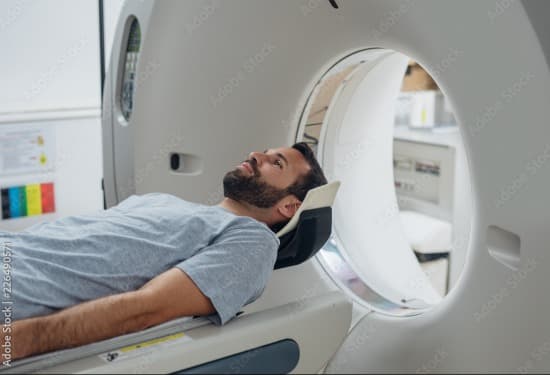
CT Scans
A CT scan, or computed tomography scan, is a diagnostic imaging procedure that utilizes X-rays to create detailed cross-sectional images of the body.

Epilepsy
Epilepsy is a neurological disorder characterized by recurrent seizures. These seizures are caused by excessive electrical activity in the brain, leading to temporary disruption of normal brain function.

Paralysis
Paralysis is a loss of muscle function in part of your body. It can be localized to a specific area or widespread, affecting larger regions or even the whole body.

Stroke
A stroke, sometimes referred to as a "brain attack," occurs when there is a disruption in blood flow to the brain.

Parkinson's
Parkinson's disease is a progressive neurological disorder that affects movement.

EEG (Electroencephalogram)
An Electroencephalogram, commonly known as EEG, is a non-invasive diagnostic test that measures and records the electrical activity of the brain.

PET (Positron Emission Tomography) Scan
Positron Emission Tomography, commonly known as PET scan, is a sophisticated imaging technique that enables healthcare professionals to observe the metabolic activity within the body.
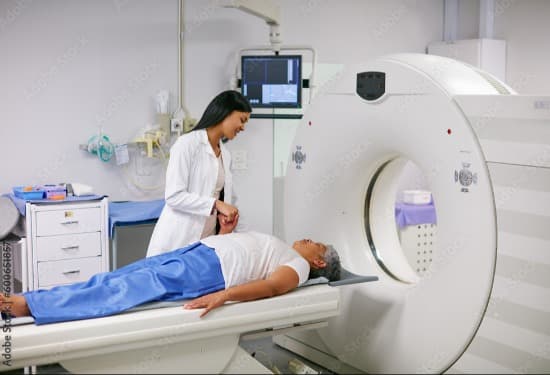
MRI (Magnetic Resonance Imaging)
Magnetic Resonance Imaging, or MRI, is a cutting-edge diagnostic imaging technique that utilizes strong magnetic fields and radio waves to create detailed, high-resolution images of the internal structures of the body.
See More