

Stroke

About Stroke
What is a Stroke?
A stroke, sometimes referred to as a "brain attack," occurs when there is a disruption in blood flow to the brain. This interruption deprives brain cells of oxygen and nutrients, leading to rapid cell death and potentially permanent brain damage.
Symptoms of a Stroke
- Sudden numbness or weakness in the face, arm, or leg, especially on one side of the body
- Confusion, trouble speaking, or difficulty understanding speech
- Severe headache with no known cause
- Trouble seeing in one or both eyes
- Trouble walking, dizziness, loss of balance, or coordination
Types of Strokes
- Ischemic Stroke: Caused by a blocked or narrowed blood vessel, leading to reduced blood flow to the brain.
- Hemorrhagic Stroke: Caused by a weakened blood vessel that ruptures and bleeds into the brain.
- Transient Ischemic Attack (TIA): Often referred to as a "mini-stroke," it is a temporary disruption of blood flow to the brain.
Treatments and Recovery
- Clot-Busting Drugs: Thrombolytic medication can help dissolve blood clots in ischemic strokes.
- Mechanical Thrombectomy: A procedure to remove blood clots in larger blood vessels of the brain.
- Rehabilitation Therapy: Physical, occupational, and speech therapy can help stroke survivors regain function and independence.
- Medication Management: Blood pressure and cholesterol-lowering medications to reduce the risk of future strokes.
- Lifestyle Changes: Healthy diet, regular exercise, and smoking cessation to lower stroke risk factors.
When to Seek Immediate Medical Attention
Do not hesitate to seek emergency care if you or someone you know experiences:
- Sudden numbness or weakness of the face, arm, or leg, especially on one side of the body
- Sudden confusion, trouble speaking, or difficulty understanding speech
- Sudden trouble seeing in one or both eyes
- Sudden trouble walking, dizziness, loss of balance, or coordination
- Sudden severe headache with no known cause
Contact Us
Our specialized stroke care team is dedicated to providing rapid and effective treatment for stroke survivors. Contact us for compassionate care and individualized recovery plans tailored to your needs.
Explore other Treatments
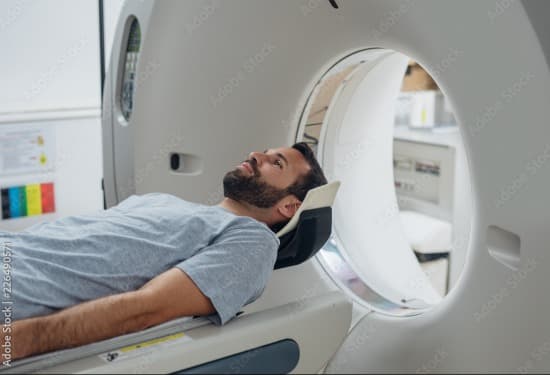
CT Scans
A CT scan, or computed tomography scan, is a diagnostic imaging procedure that utilizes X-rays to create detailed cross-sectional images of the body.

Epilepsy
Epilepsy is a neurological disorder characterized by recurrent seizures. These seizures are caused by excessive electrical activity in the brain, leading to temporary disruption of normal brain function.

Paralysis
Paralysis is a loss of muscle function in part of your body. It can be localized to a specific area or widespread, affecting larger regions or even the whole body.

Stroke
A stroke, sometimes referred to as a "brain attack," occurs when there is a disruption in blood flow to the brain.

Parkinson's
Parkinson's disease is a progressive neurological disorder that affects movement.

EEG (Electroencephalogram)
An Electroencephalogram, commonly known as EEG, is a non-invasive diagnostic test that measures and records the electrical activity of the brain.
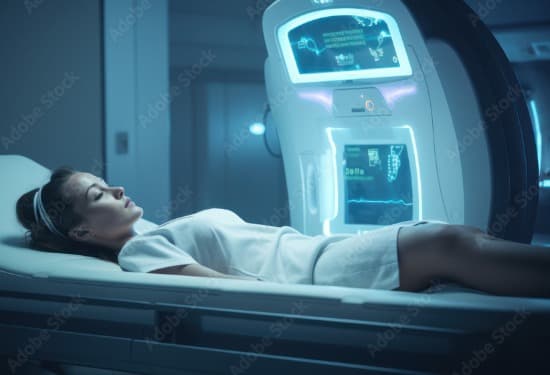
PET (Positron Emission Tomography) Scan
Positron Emission Tomography, commonly known as PET scan, is a sophisticated imaging technique that enables healthcare professionals to observe the metabolic activity within the body.
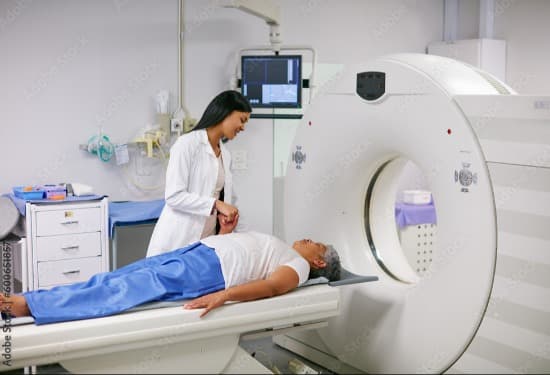
MRI (Magnetic Resonance Imaging)
Magnetic Resonance Imaging, or MRI, is a cutting-edge diagnostic imaging technique that utilizes strong magnetic fields and radio waves to create detailed, high-resolution images of the internal structures of the body.
See More